Lessons learned on designing, building & operating with methanol as fuel.
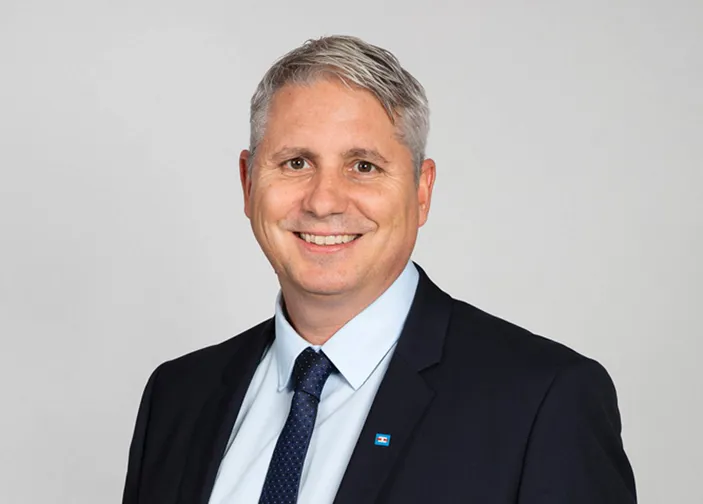
Generally averse to technological risk, maritime professionals lean on lessons learned, when available, to make future decisions. According to Fredrik Stübner, Director Ship Management, Marinvest, his organization’s experience running ships on methanol can be instructive for others considering emission reductions technologies, and to this end he suggests:
1. VESSEL DESIGN
“For other shipowners considering methanol as fuel, the differences between a standard vessel design and a methanol dual-fuel design are minimal and revolve around the engine and fuel supply system. One consideration is the calorific value of the methanol itself, which is about half the energy value of diesel, so you need twice as much fuel. Depending on the sailing range, fuel storage capacity is a consideration, however, it is simple to convert ballast tanks to fuel storage”
2. VESSEL CONSTRUCTION
“Go to an established, experienced shipyard and bring on board the right site management team. We have a great cooperation with Hyundai MIPO in Ulsan, Korea. They have experience with the two series that we’ve already built and are a world-leading shipbuilder.”
3. VESSEL MAINTENANCE
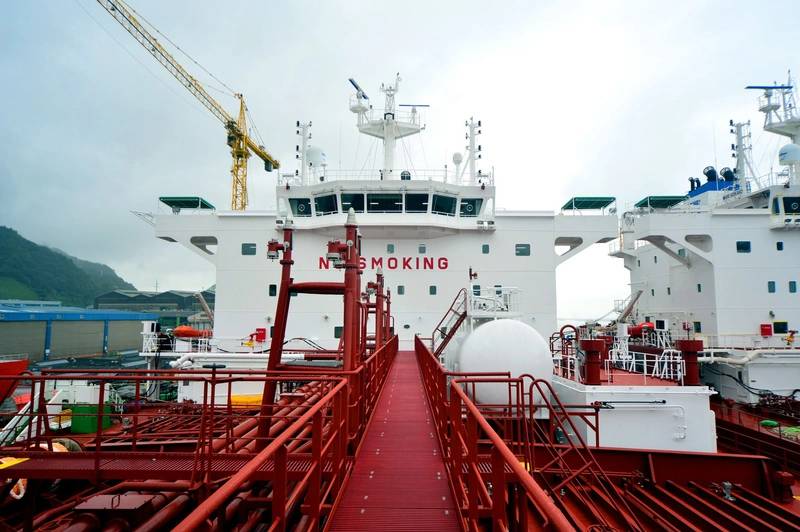
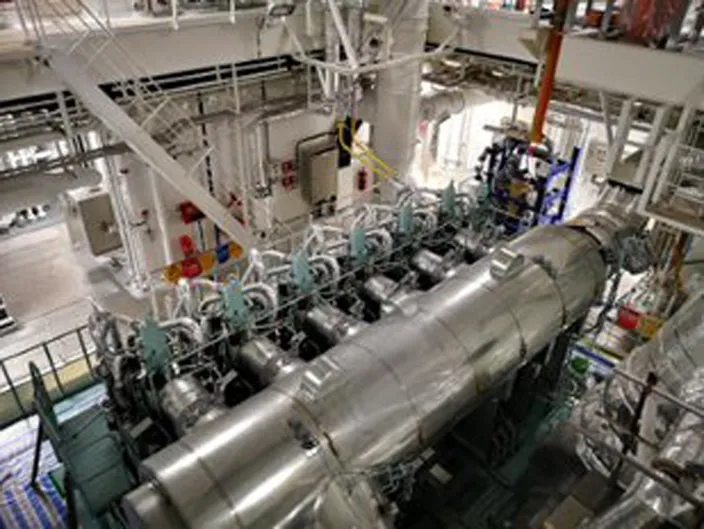
“As a low flashpoint liquid fuel, there are additional safety features needed. For instance, all the methanol fuel piping in the engine room is double walled, and the outer wall piping needs to be ventilated. The bottom line is the engine is a standard two-stroke engine, and the methanol fuel system is an add-on. With the flex-fuel engines, changing between the fuels is seamless and automatic.” He did note that the second generation ships and engines have evolved to be even more cost effective. Running on methanol requires a small amount of pilot fuel for ignition. On the first generation engines the amount was less than five percent, while the second generation engines require under 3.5 percent.