NYK First to Introduce WinGD Engine Air Compression System
Source: NYK
NYK has announced it will install a variable compression ratio system (VCR system) on two large LNG-fueled coal carriers to be built at Oshima Shipbuilding.
This will be the first time for VCR systems to be installed on vessels, including existing vessels, that use heavy fuel oil as their main fuel, says NYK.
Mitsui E&S DU developed the VCR system with Winterthur Gas & Diesel (WinGD).
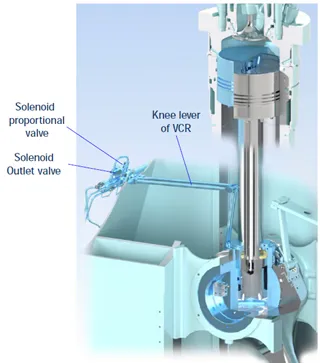
The VCR system can adjust the air compression ratio in the engine combustion chamber to an optimal balance according to engine power and fuel properties. It will improve fuel efficiency during operation by about 3% in LNG gas mode and about 6% in diesel oil mode.
Compression ratio is altered by changing the piston position to adjust combustion chamber volume. The simple mechanical configuration has no impact on engine footprint or installation requirements. VCR can also be adjusted for part load operation, meaning relatively larger savings can be achieved at the low speeds that operators may consider to further reduce their emissions.
As well as optimising compression ratios for different fuels, VCR can also benefit engines operating under different ambient conditions and intake air compositions, such as when using exhaust gas recirculation. This makes it a critical advance as shipping adopts the new fuels and technologies that will allow it to reach decarbonisation targets. The system is therefore expected to play an important role in reducing GHG emissions from existing ships and improving engine efficiency when decarbonized fuels are introduced.
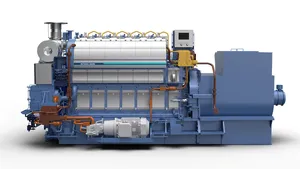
WinGD says the installations on the X62DF engines will be followed by roll out across selected engines in its X-DF engine portfolio. It first plans to introduce VCR as an option for its X72DF, X62DF and short-stroke X62DF-S engines, with retrofit packages available after the technology is introduced for newbuilds. A wider portfolio roll out will be considered based on market demand.
The new vessels are scheduled to be delivered by the end of 2025.