Jinye Propeller Maintenance / Service Agreement
What are the maintenance requirements for Energy Saving Devices?
What are the maintenance requirements for Energy Saving Devices?, Jinye Propeller
Description
Home » Blogs » Knowledge » What are the maintenance requirements for Energy Saving Devices?
What are the maintenance requirements for Energy Saving Devices?
Views: 0 Author: Site Editor Publish Time: 2025-01-22 Origin: Site
Inquire
Introduction
Energy efficiency has become a cornerstone in modern industry and residential living, significantly impacting operational costs and environmental sustainability. The integration of Energy Saving Devices is a proactive approach to reduce energy consumption and carbon footprint. Proper maintenance of these devices is crucial to ensure their optimal performance and longevity. This article provides an in-depth analysis of the maintenance requirements for energy-saving devices, offering insights into best practices, challenges, and solutions to maximize their efficacy.
Understanding Energy Saving Devices
Energy saving devices encompass a broad spectrum of technologies designed to improve energy efficiency across various systems. These devices range from industrial machinery components, like energy-efficient propellers and thrusters, to household appliances and smart home systems. Understanding their functions and operational principles is essential for effective maintenance.
Types of Energy Saving Devices
The primary categories of energy-saving devices include mechanical systems, electrical appliances, and electronic controls. Mechanical systems, such as energy-efficient propellers and thrusters used in marine vessels, reduce energy consumption through optimized design and materials. Electrical appliances like high-efficiency motors and lighting systems consume less power while maintaining or enhancing performance. Electronic controls, including sensors and automation systems, optimize energy usage by adjusting operations based on real-time data.
Importance of Maintenance
Maintenance plays a vital role in ensuring that energy-saving devices operate at peak efficiency. Neglecting maintenance can lead to decreased performance, higher energy consumption, and shortened device lifespan. Regular maintenance not only preserves the functionality of the devices but also safeguards the investment made in sustainable technologies.
Preventive Maintenance
Preventive maintenance involves routine inspections and servicing to prevent potential failures. This proactive approach can detect issues before they escalate, reducing downtime and repair costs. For example, inspecting the condition of an energy-efficient propeller can identify signs of wear or damage that, if left unaddressed, could lead to significant energy losses or catastrophic failure.
Predictive Maintenance
Predictive maintenance utilizes data analytics and monitoring technologies to predict when maintenance should be performed. This method relies on condition-monitoring equipment to track the performance and health of devices. Implementing predictive maintenance on complex systems like industrial energy-saving devices can optimize maintenance schedules and extend the operational life of equipment.
Maintenance Requirements for Mechanical Devices
Mechanical energy-saving devices, particularly those used in marine applications, have specific maintenance requirements due to their operational environment and mechanical complexity.
Propellers and Thrusters
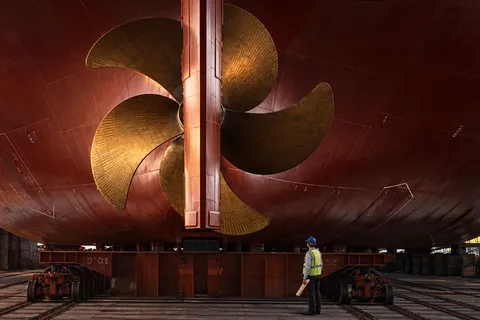
Energy-efficient propellers and thrusters are critical components in vessels, contributing significantly to fuel efficiency and emissions reduction. Maintenance requirements include:
- Inspection for Physical Damage: Regular visual inspections to detect erosion, cavitation, and surface cracks.
- Surface Cleaning: Removing marine growth and debris to maintain hydrodynamic efficiency.
- Lubrication of Moving Parts: Ensuring that bearings and joints are adequately lubricated to reduce friction.
- Alignment Checks: Verifying that shafts and blades are properly aligned to prevent vibrations and uneven wear.
These maintenance activities help maintain the efficiency and reliability of propulsion systems, directly impacting operational costs.
Heat Exchangers and Cooling Systems
Heat exchangers are used to improve energy efficiency by recovering waste heat. Maintenance requirements include:
- Regular Cleaning: Removing scale and fouling to maintain thermal efficiency.
- Leak Detection: Checking for leaks that can lead to energy losses and equipment damage.
- Corrosion Control: Applying protective coatings and monitoring for corrosion to extend equipment life.
Proper maintenance ensures that heat exchangers operate efficiently, maximizing energy recovery and reducing operational costs.
Maintenance Requirements for Electrical Devices
Electrical energy-saving devices, such as high-efficiency motors and lighting systems, require specific maintenance practices to ensure sustained performance.
High-Efficiency Motors
Motors are integral to many industrial processes, and energy-efficient models contribute to significant energy savings. Maintenance requirements include:
- Electrical Testing: Performing insulation resistance tests and checking for voltage imbalances.
- Mechanical Inspection: Examining bearings, couplings, and mounts for wear and alignment.
- Cooling System Maintenance: Ensuring that ventilation systems are unobstructed and functioning correctly.
- Lubrication: Applying appropriate lubricants to reduce friction and wear.
Effective maintenance of motors reduces the risk of unexpected failures and maintains energy efficiency.
Lighting Systems
Energy-efficient lighting, such as LED systems, require minimal but essential maintenance:
- Cleaning Fixtures: Removing dust and grime to ensure maximum light output.
- Replacing Components: Timely replacement of drivers and other electronic components prone to wear.
- Monitoring Performance: Checking for flickering or dimming that may indicate underlying issues.
Maintaining lighting systems ensures consistent performance and prolongs the lifespan of the fixtures.
Maintenance Requirements for Electronic Controls
Electronic controls, including sensors and automation systems, optimize energy usage by managing device operations. Maintenance focuses on ensuring accuracy and reliability.
Sensors and Monitoring Equipment
Maintenance requirements include:
- Calibration: Regular calibration to maintain measurement accuracy.
- Software Updates: Applying firmware and software updates to enhance functionality and security.
- Physical Inspection: Checking for physical damage or environmental exposure that could affect performance.
Accurate sensors are critical for effective energy management and automated control systems.
Automation and Control Systems
Key maintenance activities include:
- System Backups: Regularly backing up control system configurations and data.
- Security Assessments: Evaluating systems for vulnerabilities to prevent unauthorized access.
- Hardware Checks: Inspecting controllers and network equipment for reliability.
Maintaining automation systems ensures optimal energy usage and system responsiveness.
Best Practices in Maintenance Management
Implementing structured maintenance management practices enhances the effectiveness of maintenance activities and ensures compliance with operational standards.
Developing Maintenance Schedules
Establishing regular maintenance schedules based on manufacturer recommendations and operational demands is essential. Schedules should be:
- Device-Specific: Tailored to the needs of each device type.
- Flexible: Adjusted based on performance data and changing conditions.
- Comprehensive: Including all maintenance activities, from inspections to replacements.
A well-planned schedule ensures timely maintenance and resource allocation.
Utilizing Maintenance Software
Maintenance management software can streamline scheduling, tracking, and reporting. Benefits include:
- Centralized Data: Keeping all maintenance records in one accessible location.
- Automated Reminders: Alerting person
More from Jinye Propeller
- Jinye Propeller Bow Thruster
- ZhenJiangJinYe Propeller China-Made CPP Hub Body in Ni-Al Bronze (Cu3)
- Jinye Propeller Controllable Pitch Propeller
- Jinye Propeller Controllable Pitch Propeller from China manufacturer
- Jinye Propeller Controllable Pitch Propeller from China manufacturer
- JinYe Propeller Cu3 Bronze Propeller for Large-Scale Marine Projects
- Jinye Propeller Custom CPP Components for Variable Pitch Propeller Systems
- JinYe Propeller Custom Ni-Al Bronze Propeller Hub for Marine Vessels
- Jinye Propeller Custom Propeller Boss Cap Fin for Marine Propulsion
- ZhenJiangJinYe Propeller Eperienced marine propeller supplier-energy-efficient vortex finned Ni-Al Bronze (CU3)
- Jinye Propeller Fixed Pitch Propeller for Reliable and Efficient Marine Propulsion
- Jinye Propeller Fixed Pitch Propellers for Marine Vessel
Featured services
All services →

Maintenance / Service Agreement
Let’s talk about reducing lifecycle costs
Our turbocharger technology is designed for low maintenance and low fuel consumption. Accelleron can help you reduce TCO, find out how.
Retrofit / Upgrade / Repower
Level up your Pielstick with targeted retrofits
Ensure the availability and efficiency of your Pielstick engines with the unique OEM and retrofit solutions. Discover our services now!
Similar services